Activity
Mon
Wed
Fri
Sun
May
Jun
Jul
Aug
Sep
Oct
Nov
Dec
Jan
Feb
Mar
Apr
What is this?
Less
More
Memberships
Business Gurus Inner Circle
201 members • Free
VIVA LA VIDA
3 members • $1/month
Compelling Communicators
73 members • Free
Invest Diva-Triple Compounders
998 members • Free
7 contributions to Compelling Communicators
18d •
My Official Speaking Engagement
I Seized the Day With a Smile by accepting to speak. https://youtu.be/jnGp_C2lmuo
0 likes • 18d
Starting is where winning happens. Thanks for inspiring me. I did use some of your tips. @Chris Hanlon

Feb 15 •
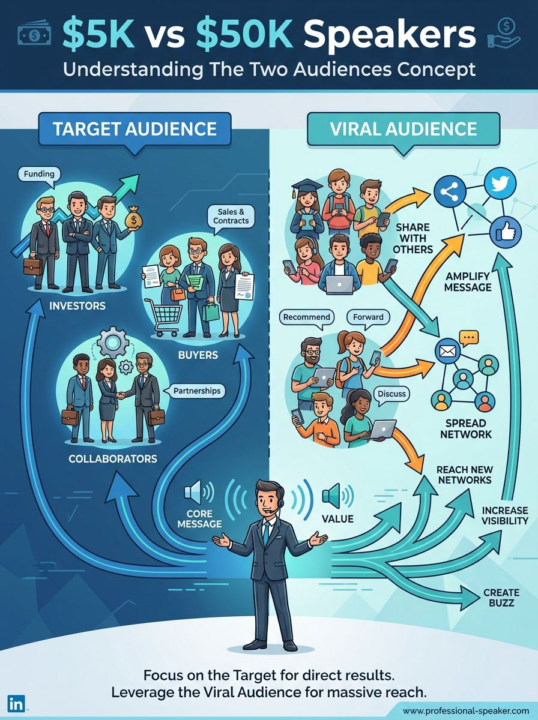
What separates $5K speakers from $50K speakers?
It's not charisma. It's not credentials. It's not even content. It's understanding that there are two audiences in every room. After coaching over 100 TEDx speakers and analysing countless TED talks, I've noticed the highest-paid speakers do something most others miss. They speak to two audiences at once. 𝗧𝗵𝗲 𝗧𝗮𝗿𝗴𝗲𝘁 𝗔𝘂𝗱𝗶𝗲𝗻𝗰𝗲 These are the people in a position to act on your message. The qualified buyers. The potential investors. The collaborators who could say yes. Your talk must bring them into the story. Show them the future vision. Make them feel like you're speaking directly to their situation. Most speakers stop there. 𝗧𝗵𝗲 𝗩𝗶𝗿𝗮𝗹 𝗔𝘂𝗱𝗶𝗲𝗻𝗰𝗲 Everyone else in the room who isn't your target. If you ignore them, they get bored. They shift in their seats. They check their phones. In virtual settings, they spam the chat. And that energy affects the whole room. The best speakers acknowledge these people. They include stories or explanations that keep them engaged. They make it clear who the message is for — and invite the rest to share it with someone who needs to hear it. When a speaker nails both audiences with the right mix of emotion and logic, something happens. They become referable. Event organisers remember them. Attendees recommend them. And the speaking fees climb. $5K speakers talk to one audience. $50K speakers serve both. Which audience are you forgetting? 😉
0 likes • Feb 16
So true!
Jan 4 •
Welcome to the Compelling Communicators!
Welcome! This community is here to help you communicate better with groups of people, on both live and virtual stages. Here are your next steps 👇 1. Start a free course: So You Want to do a TEDx Talk? OR PitchMaster Fundamentals 2. Book your free 1-1 call: 3. Join the Monthly Q&A calls: Book in the Calendar 4. Introduce yourself: Name, Country, and your goal. 5. Stay active: ask questions, help others, share wins, make friends, have fun! To your success! Chris 😃 PS: What’s your biggest goal for the next 30 days?
Poll
8 members have voted

0 likes • Feb 10
Hi, I'm Breindy Kohn from upstate New York, USA. I love speaking and am looking forward to conveying messages impactfully and shifting people's views for the betterment of society.
Feb 10 •
Seize the Day with a Smile
Hello everybody. Today I seized the day by accepting to give a 4 minute speech to an unknown crowd on who I am and how I seize the day with a smile. Very exciting. Yes, I'm smiling and feeling thrilled with my win.
Feb 10 •
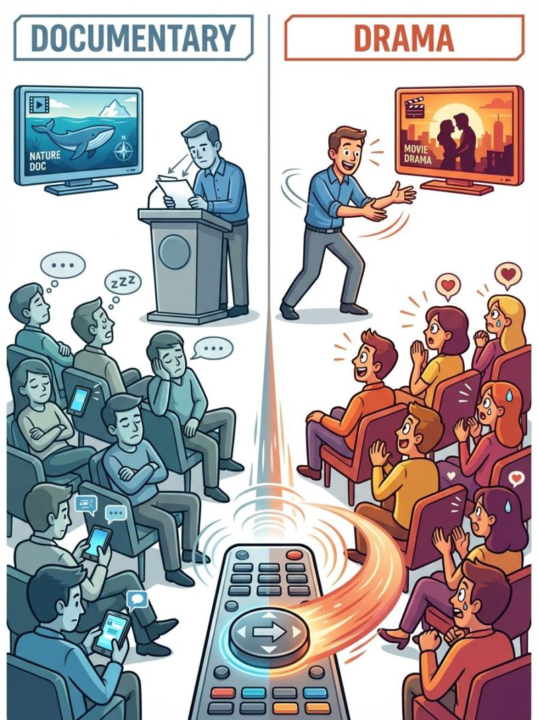
Most speakers sound like documentaries. The best ones feel like dramas.
Think about how a documentary works. A narrator explains what happened. You're told the facts. You understand the events. Now think about a drama. You're not told what happened — you experience it. You're inside the moment with the character. You feel the tension, the doubt, the shift. 𝗧𝗵𝗮𝘁'𝘀 𝘁𝗵𝗲 𝗱𝗶𝗳𝗳𝗲𝗿𝗲𝗻𝗰𝗲 𝗯𝗲𝘁𝘄𝗲𝗲𝗻 𝗱𝗲𝘀𝗰𝗿𝗶𝗯𝗶𝗻𝗴 𝗮𝗻𝗱 𝗿𝗲𝗹𝗶𝘃𝗶𝗻𝗴. Most speakers default to documentary mode. They summarise what happened. They explain the lesson. They tell the audience what to think. But the speakers who really connect? They take you into the moment. They describe what they saw, what they felt, what thoughts flickered through their mind as it unfolded. When a speaker makes this shift — and then listens back to a recording — the difference is immediate. One version informs. The other pulls you in. If you're preparing a talk or pitch, ask yourself: Am I narrating from the outside? Or am I bringing my audience into the experience with me? It's like changing the channel. Documentary to drama. Which channel are you on? 😉
2 likes • Feb 10
Love this. I'd add if you live inside your tale people will feel you exuding the right drama.
1-7 of 7
@breindy-kohn-9140
Breindy R Kohn, LMSW, award-winning business lioness, and active force behind many non-profit local initiatives. +aquatic pro and recreational athlete
Active 6h ago
Joined Jan 5, 2026
NY
Powered by