Private Course
Ethics: Boundaries vs. Rapport
Boundaries vs rapport is a core ethical issue in helping relationships. Trust and connection are essential, but they must never blur professional roles. Rapport supports client goals and autonomy. Boundaries protect against harm, dependency, and role confusion. Ethical practice requires self awareness, supervision, and clear limits so the relationship remains client centered, purposeful, and professionally appropriate.
0%

Private Course
Brain Plasticity and Healing Pathways in Recovery
This course explores how addiction reshapes the brain through neuroplastic processes and how targeted interventions can promote measurable neural healing. Participants will examine the biological foundations of recovery, understand how substance use reorganizes reward, stress, and executive systems, and learn evidence-informed strategies that actively support brain repair across the recovery timeline.
0%
FREE COURSE! Addressing the Layers of Complexity
Gender-responsive training for sober living: trauma, family, socioeconomic & health complexities.
0%
FREE COURSE:Empowering Women in Addiction Recovery
Navigating Unique Challenges and Pathways to Healing for women in recovery
0%
Unlock for $49
Addiction in Probation and Parole Populations
This course examines substance use and addiction within probation and parole populations. Participants explore the intersection of addiction, criminal justice involvement, trauma, and systemic barriers, as well as the impact on treatment engagement and recovery. The course highlights practical approaches for assessment, justice-informed counselling, and coordinated support.
0%
Private Course
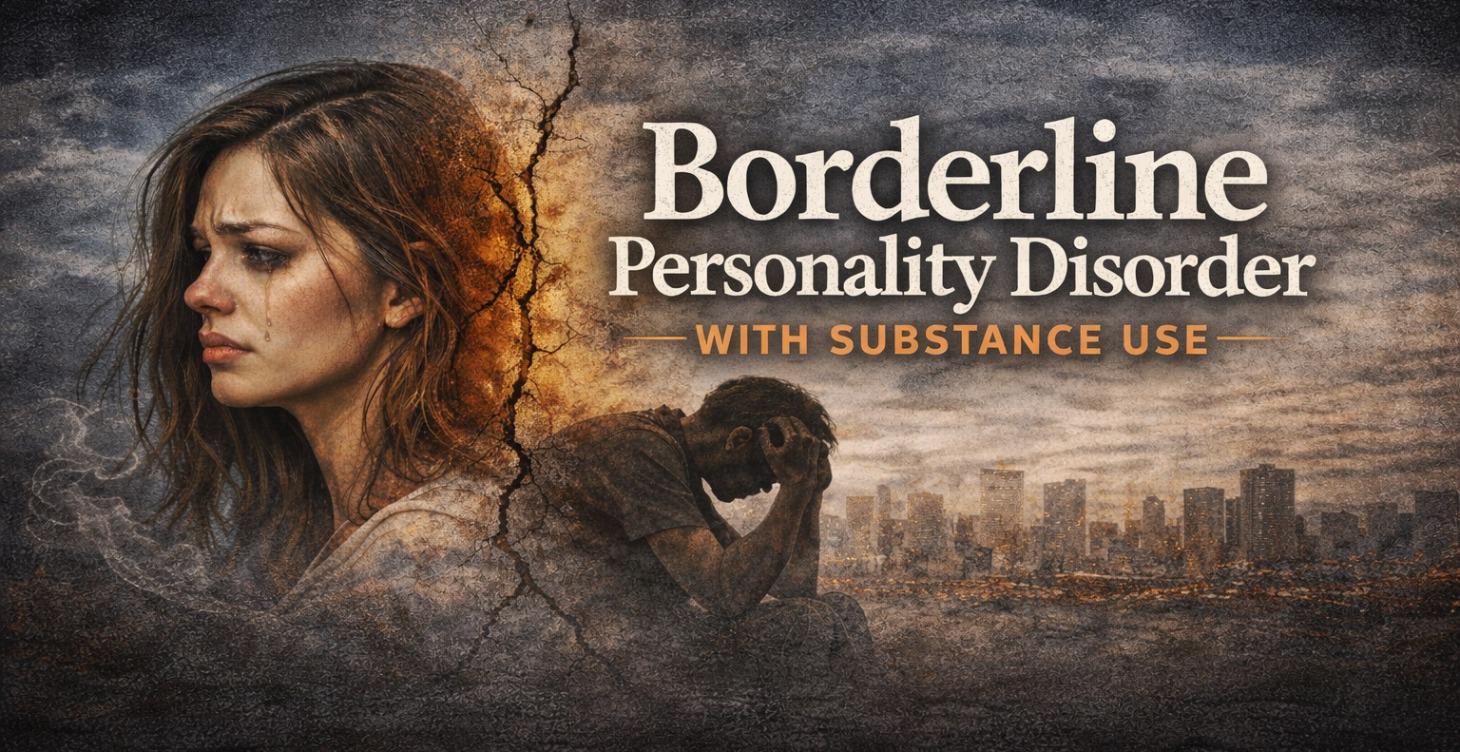
Borderline Personality Disorder with Substance Use
This course examines the intersection of borderline personality disorder and substance use disorders. Participants explore emotional dysregulation, impulsivity, relational instability, and self-harm risk as they relate to addiction and treatment engagement. The course highlights counselling considerations that support structure, safety, and integrated, evidence-informed intervention.
0%
Unlock for $49
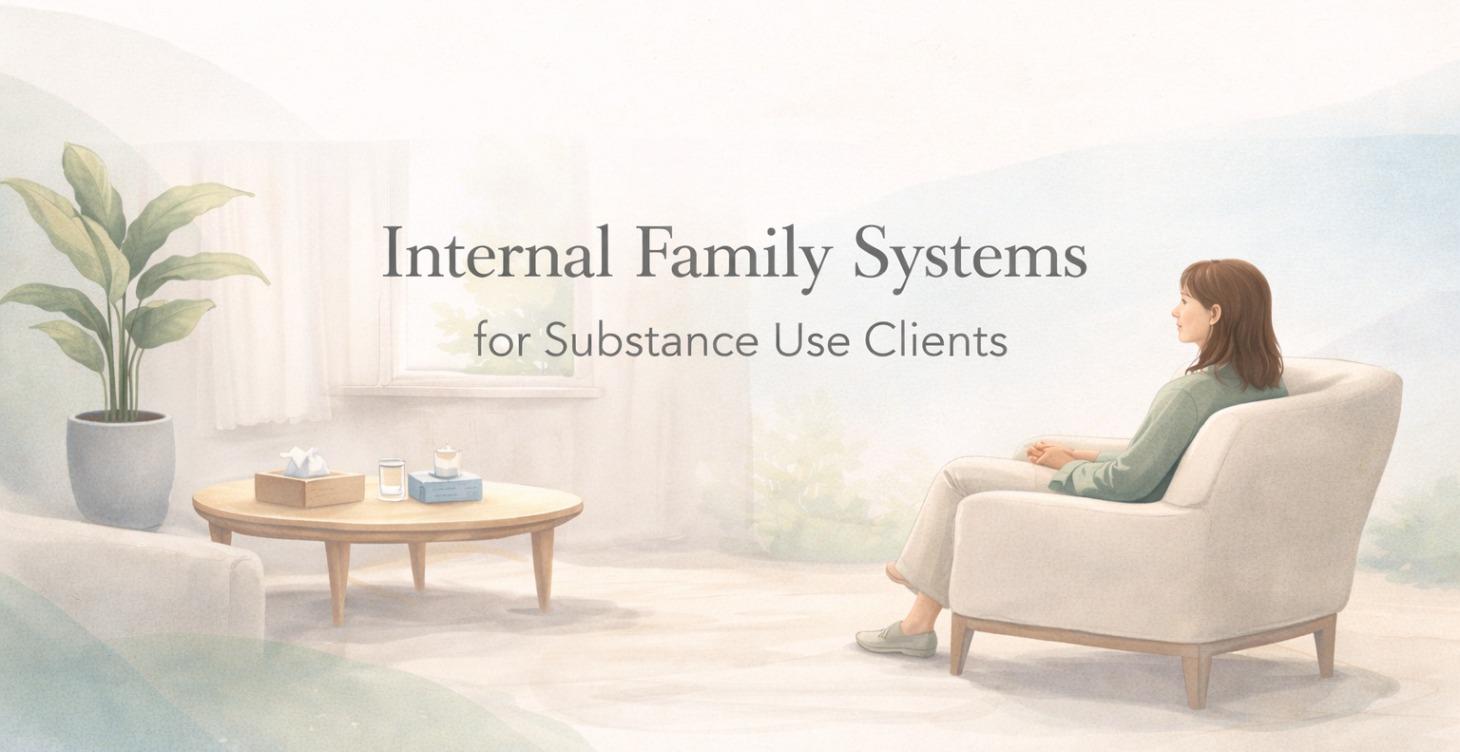
Internal Family Systems for Substance Use Clients
This course introduces addiction professionals to Internal Family Systems (IFS) as a therapeutic approach for working with substance use clients. Participants will explore core IFS concepts and consider how parts-based interventions can support insight, self-regulation, and recovery-oriented treatment planning.
0%
Private Course
Sexual Trauma and Compulsive Behaviors
This course examines the relationship between sexual trauma and the development of compulsive behaviors, including substance use and process addictions. Participants explore trauma-related coping patterns, shame responses, and emotional regulation challenges that can reinforce compulsivity. The course highlights trauma-informed counselling considerations that support safety, stabilization, and recovery.
0%
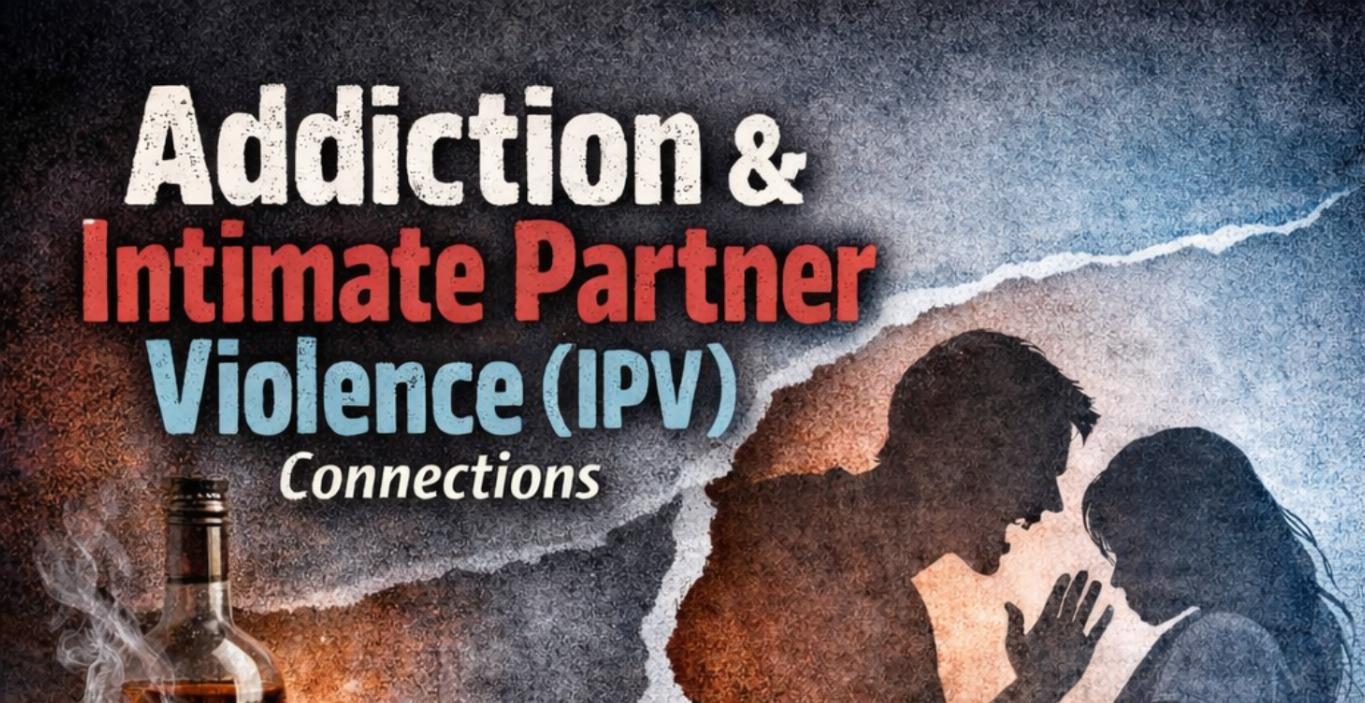
Addiction & Intimate Partner Violence Connections
Addiction and Intimate Partner Violence (IPV) Connections explores how substance use and relationship violence often occur together through shared risk factors such as trauma, mental health challenges, and stress. Participants learn integrated assessment, survivor centered support, perpetrator accountability, and prevention strategies. This one hour CACCF course is FREE and awards 1 CEU. This course is approved for CACCF Intimate Partner Violence annual requirements.
0%
Private Course
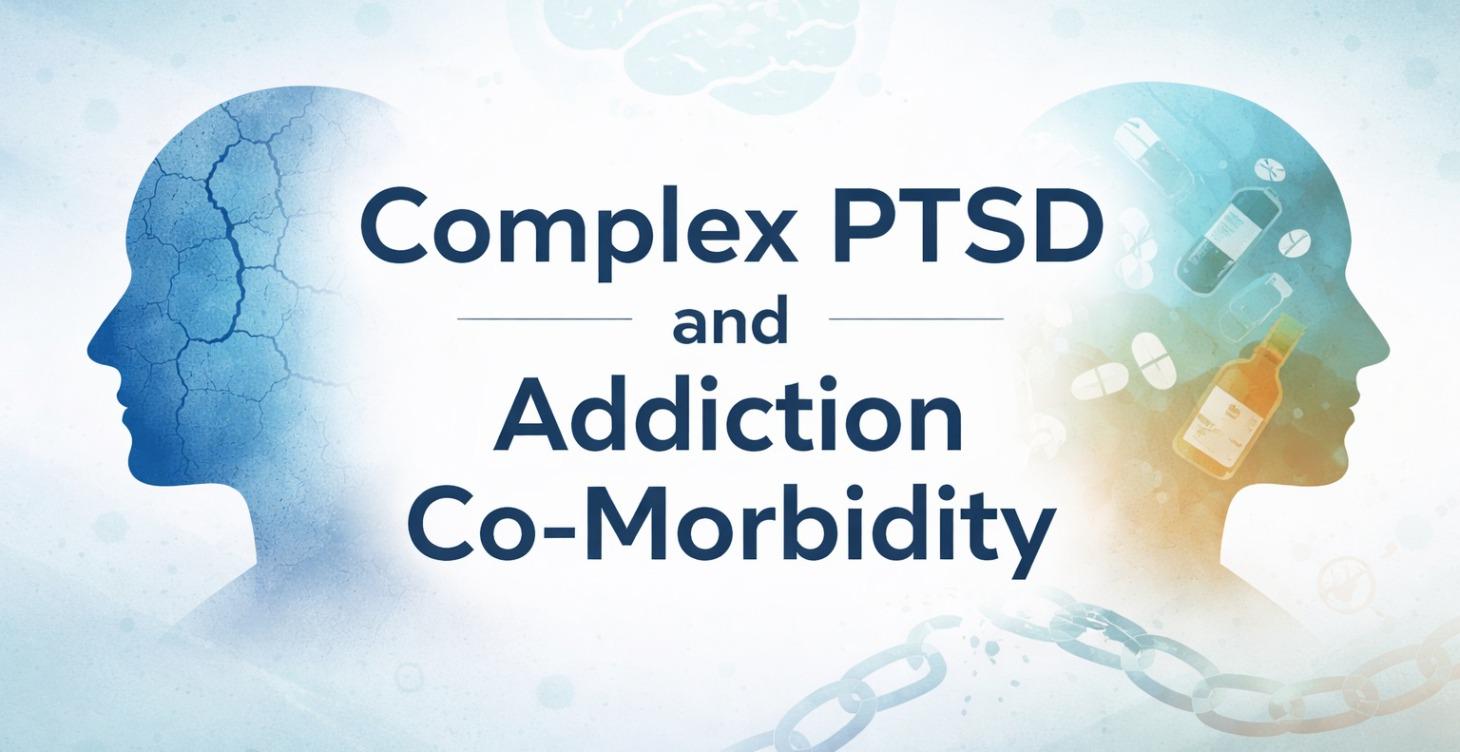
Complex PTSD and Addiction Co-Morbidity
This course examines the co-occurrence of complex post-traumatic stress disorder and substance use disorders. Participants explore how prolonged trauma, emotional dysregulation, and relational harm contribute to addiction vulnerability and treatment complexity. The course highlights trauma-informed counselling considerations that support stabilization, safety, and integrated recovery.
0%
Private Course
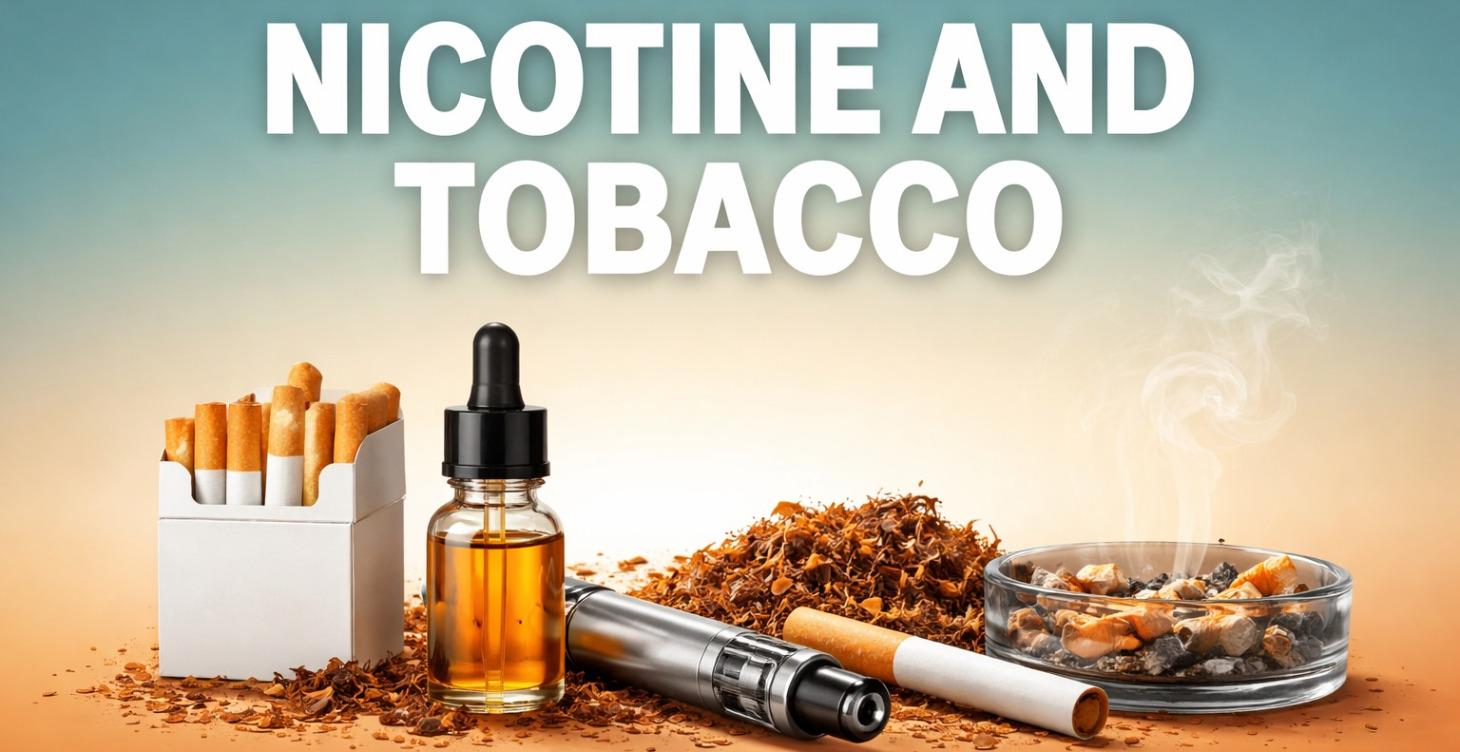
Nicotine and Tobacco
Certification Course for CNTP
0%
Unlock for $49
Drug Courts: Counselor Roles and Responsibilities
This course provides an overview of the role of addiction counsellors within drug court settings. Participants examine interdisciplinary collaboration, ethical considerations, and the balance between therapeutic support and judicial requirements. The course highlights practical responsibilities related to assessment, reporting, and client engagement.
0%
Unlock for $39
Trauma-Informed Addiction Treatment
Trauma Informed Addiction Treatment trains addiction counsellors to recognize trauma and integrate trauma informed care into practice. The course explores trauma and ACEs, the neurobiology of trauma and addiction, trauma responses, and creating safety in therapeutic relationships. Participants examine complex trauma, attachment, cultural considerations, and gender responsive care. This three hour CACCF course equips counsellors with practical trauma informed treatment skills.
0%
Private Course
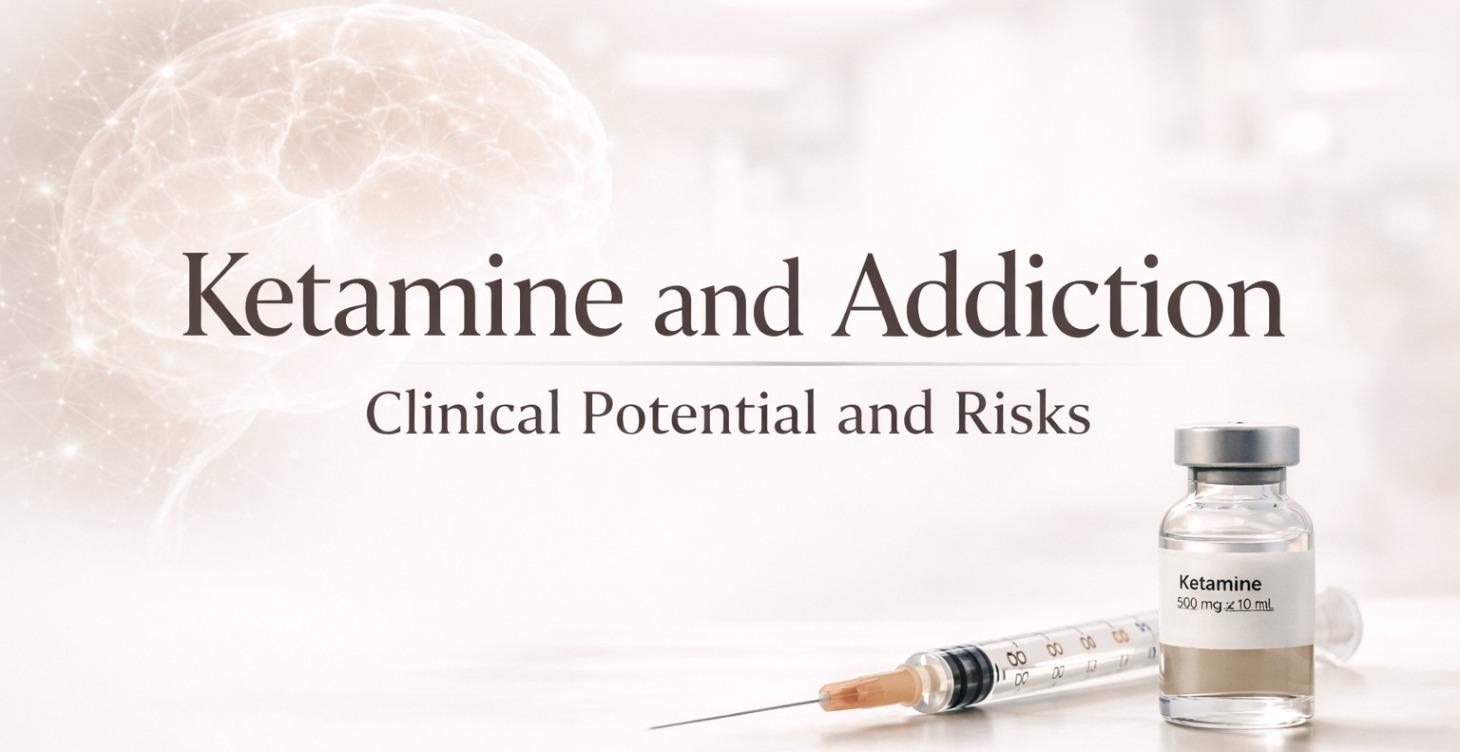
Ketamine and Addiction
This course examines the therapeutic use of ketamine in the treatment of substance use disorders, with a balanced focus on clinical potential, limitations, and associated risks. Addiction professionals will explore current evidence, safety considerations, ethical issues, and the counselor’s role in supporting clients receiving ketamine-assisted interventions.
0%
Unlock for $39
Clinical Supervision - Basics and knowledge
This 3-hour course provides foundational knowledge in clinical supervision for addiction counselling professionals. Topics include supervision roles, historical and theoretical foundations, ethical and legal frameworks, developmental models, supervisory relationships, power dynamics, communication, assessment, cultural responsiveness, and addiction-specific demands. Participants also explore self-care, vicarious trauma prevention, and ethical dilemma management.
0%
Unlock for $39
Addiction and Criminal Thinking Errors
This course explores the relationship between substance use disorders and criminal thinking patterns. Participants examine common cognitive distortions, belief systems, and behavioural rationalizations that can interfere with treatment engagement and recovery. The course provides insight into counselling approaches that address thinking errors and support accountability and behaviour change.
0%
Unlock for $39
Addiction and Housing Instability
This course explores the relationship between housing instability, poverty, and substance use. Participants examine structural, social, and psychological factors that increase vulnerability to addiction and complicate recovery. The course highlights counselling considerations and service approaches that support stability, harm reduction, and long-term recovery.
0%
Unlock for $25
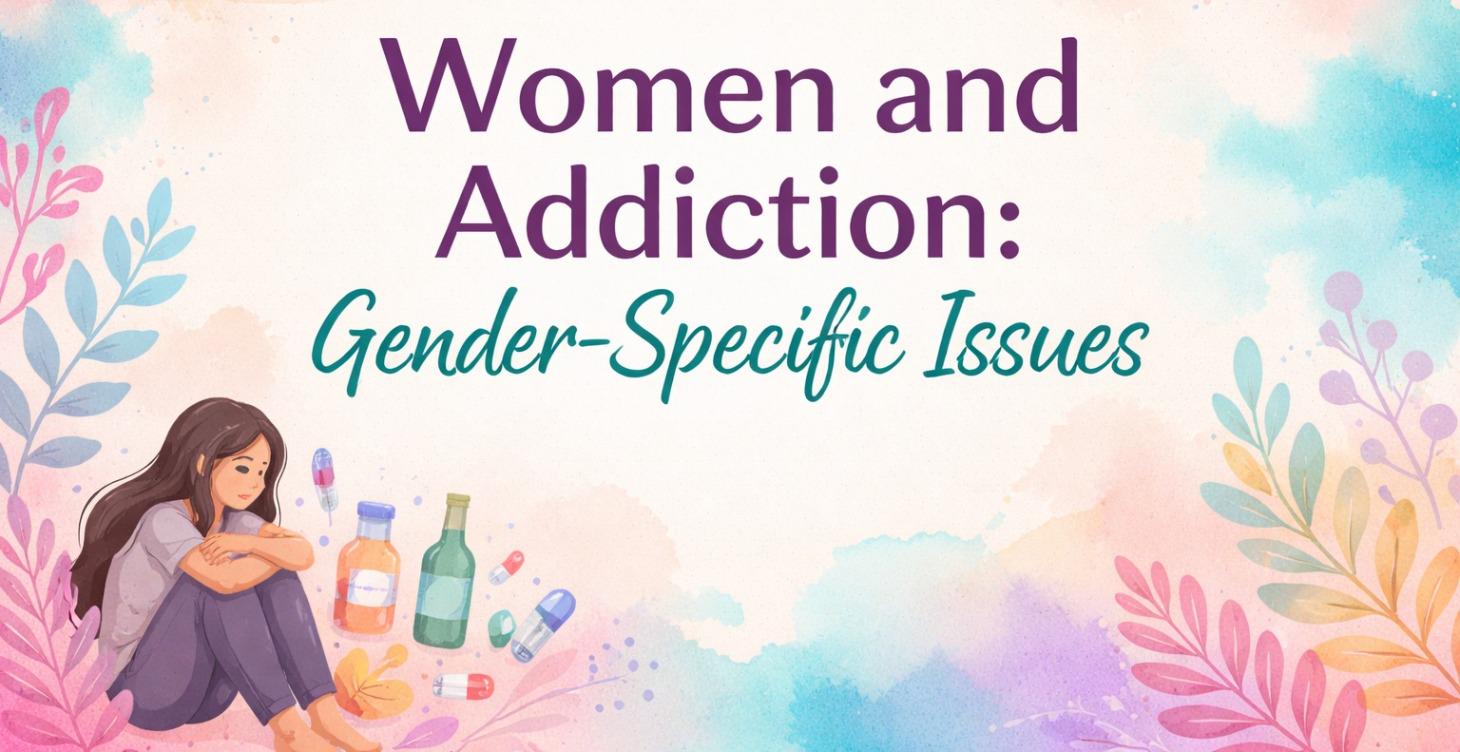
Women in Addictions and Gender-Specific Issues
Women and Addiction: Gender-Specific Issues trains addiction counsellors on gender-specific factors in substance use disorders. Topics include telescoping, trauma, relapse prevention, treatment barriers, trauma-informed care, pregnancy challenges, mental health, body image, and relationship dynamics in recovery. Gender-responsive models and empowerment approaches are explored. This two-hour course, presented by CACCF, equips counsellors with competencies for gender-responsive care.
0%
Unlock for $39
Post-Acute Withdrawal Syndrome (PAWS) Strategies
This course examines post-acute withdrawal syndrome and its impact on mood, cognition, stress tolerance, and relapse risk during early and long-term recovery. Participants explore common PAWS symptoms, timelines, and contributing factors across substance types. The course provides practical strategies to support stabilization, client education, and sustained recovery planning.
0%
Unlock for $15
Anger and Resentment as Relapse Risks
This course examines how unresolved anger and resentment can increase vulnerability to relapse during recovery. Participants explore emotional triggers, cognitive patterns, and interpersonal dynamics that sustain these states. The course highlights counselling considerations that support emotional regulation, accountability, and relapse prevention.
0%
Unlock for $25
Burnout Prevention Strategies for Addiction Staff
This course examines burnout risk among addiction professionals working in high-demand and emotionally intensive environments. Participants explore contributing factors such as workload, secondary trauma, and boundary erosion, along with early warning signs. The course highlights practical strategies to support resilience, self-care, and long-term professional sustainability.
0%
Unlock for $39
Ethical Dilemmas in Telehealth Counseling
This course explores ethical challenges that arise in the delivery of addiction counselling through telehealth platforms. Participants examine issues such as confidentiality, informed consent, professional boundaries, and risk management in virtual settings. The course highlights considerations that support ethical practice, client safety, and professional accountability in remote care.
0%
1-22 of 22