
Write something
Pinned

🔥
3d •
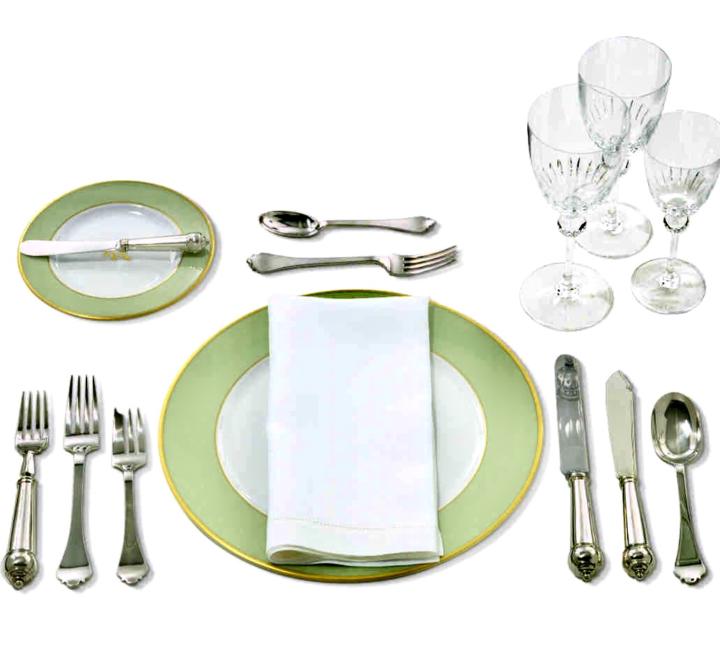
There’s something quietly fascinating about a vintage table setting...
Especially when you start noticing the cutlery. It tells a story—sometimes a very polished one… and sometimes one with a bit of gravy on its sleeve. Let’s begin with a little truth that might surprise you: For centuries, the average person didn’t have a “place setting” at all. You brought your own knife. Yes… Your own knife. Imagine arriving at dinner like: “Lovely roast… hold on while I pull my knife out of my pocket.” Spoons were the real MVPs back then—often made from shells or wood—and for a long time, they were the only utensil most people used. Forks? Oh, forks were late to the party… and when they arrived, they were considered suspicious, even a little scandalous. Now let’s slide over to the other end of the table… the very rich. By the 17th and 18th centuries, aristocrats had turned dining into a performance. Not just a meal—a presentation. Multiple forks, specialized knives, delicate spoons… each one assigned to a specific course.And the rule? Use them from the outside in. Because nothing says elegance like quietly wondering: “Is this the fish fork… or have I just committed a social crime?” The wealthy didn’t just eat—they displayed. Table settings became a symbol of status, refinement, and even personality. Meanwhile, everyday households kept things simpler: - One knife - One spoon - And a fork (if you were feeling fancy) And honestly? Probably a lot less stress. Here’s a charming detail I adore: There was even a time when guests brought their own full utensil sets in little cases—like a traveling dinner companion. So whether it was a humble wooden spoon or a full spread of gleaming silver, cutlery has always been more than functional…It reflects how people lived, what they valued, and how they gathered. And maybe that’s the heart of it all—Not how many forks are on the table……but who’s sitting around it. Tell me… are you a “one good fork” person, or do you secretly love a full formal setting?
0
0
Pinned
🔥
3d •
Personal Update
Well, My lower back surgery isn't until May 6th, so I hope to get a few more things posted for us before that date. Please make this space your own by sharing your culinary adventures with vintage recipes and old favorites that the rest of us are eager to try.
2
0
Pinned
🔥
Feb 28 •
Welcome to The Culinary Timekeeper
We're just getting started, so you're right on time. This is a place for honoring the past and refashioning vintage recipes for today’s table. Dust off those handwritten cards. Pull out the church cookbooks. Revive the classics — and give them new life. Share your heirloom recipes, your modern twists, your kitchen stories, and your delicious experiments. Jump in. Introduce yourself. Tell us what decade inspires you most — and what you’re cooking first. Videos are welcome in these categories: cooking, shopping for ingredients, table settings, plating, use of kitchen tools and gadgets, etc. How to Post Your Recipes: Give as much information as you know, such as the following: Name: Origin: Age: Backstory: Original recipe: Any changes you make in the original recipe: Photos, if available, or video Let’s bring the past back to the table.
1
0
🔥
18d •
Which of these unusual ingredients was commonly used in Victorian-era desserts?
Answer coming soon... Correct Answer: B. Tomato In the 1800s, tomatoes were often treated like fruit (which they technically are!) and used in sweet puddings, pies, and even jam-like desserts—especially before sugar became widely affordable.
Poll
3 members have voted

21d •
This is from the 80’s
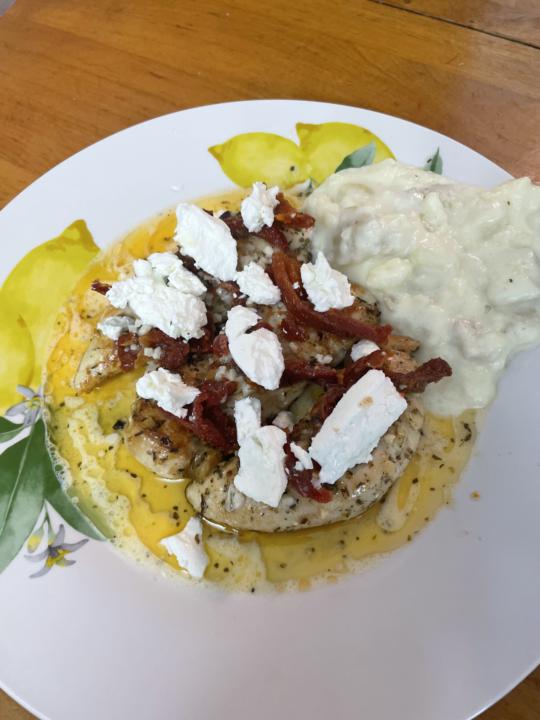
Have you ever been to Carrabba’s? It’s a great Italian Grill? It’s been around since the 80’s. My favorite meal for all these years has been Chicken Bryan. It’s a chicken breast grilled after being marinated. Adding a butter sauce with heavy cream with sun dried tomatoes with chunk of goat cheese on top. Honestly they make it the best. You can find many copycat recipes on the internet. It will be close enough to make you smile. I’ve tried a few and they don’t disappoint. But the butter sauce is a whole stick of butter. And heavy cream is a just not in the schedule for healthy heart. How can you make this healthier? - Reduce Saturated Fat: Use olive oil instead of butter, or a blend of both. Olive oil provides healthy monounsaturated fats. - Swap the Cream: Replace heavy cream with low-fat, plain Greek yogurt for a creamy, probiotic-rich texture. Or use low fat milk. - Use Less, Spread More: Make a smaller amount of sauce. Coat instead of drown the chicken. I opted for using 1/2 butter and a little olive oil with some regular milk. It was delicious. Made my own mashed potatoes and olive oil dip and felt like I was eating at the restaurant. It was a bit healthier. Try it! Search Chicken Bryan Copycat Recipe. Search how to make butter sauce healthier. Enjoy! From my cucina to yours!
1-15 of 15
powered by
skool.com/the-culinary-timekeeper-9542
Refashioning timeless meals with intention. Cook the past. Savor the present. Gain heritage skills that nourish today. Imaginative, Festive, and Fun!
Suggested communities
Powered by