
Write something
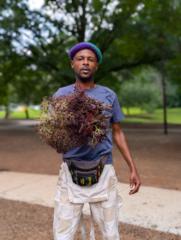
1d •
Straight Outta Whoville: The Wool Sower Gall
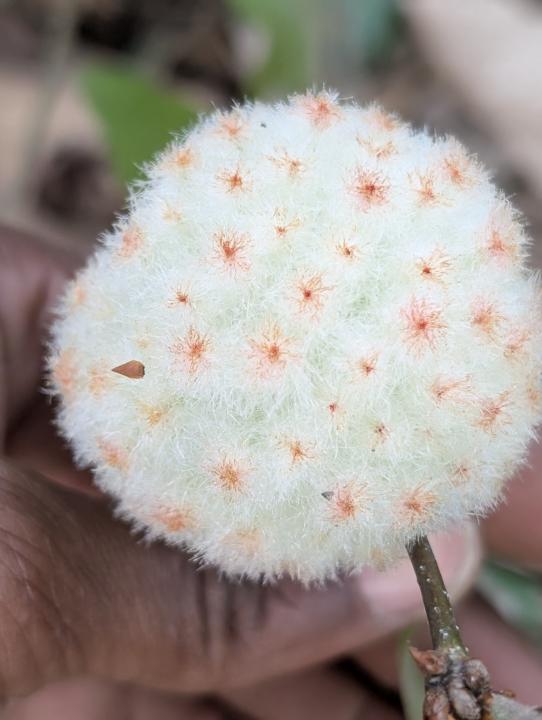
Peace, Guild! I was out in the woods recently and stumbled across something that made me feel like I had just stepped straight into Whoville. If you’ve never seen a Wool Sower Gall before, you might think Dr. Seuss himself came out and decorated the forest. It looks like a fluffy, toasted marshmallow or a cotton ball speckled with pink and bright red spots, just casually growing right out of the stem of an oak tree. It’s incredibly unique and definitely one of those finds that makes you stop and appreciate the wild art of nature. What exactly is it? That beautiful, fuzzy creation is actually a plant gall, specifically created by a tiny, stingless species of gall wasp (Callirhytis seminator). In the spring, the female wasp lays her eggs on the twigs of a White Oak. The tree responds to the wasp's secretions by growing this incredible, fibrous fluff, which acts as a protective, temperature-controlled nursery for the wasp larvae developing inside. Is it harmful to the tree? Nope! it looks like some kind of alien fungus taking over, yet it’s completely harmless to the oak tree. It’s just a temporary, localized reaction...think of it as the tree throwing a little protective blanket over the wasp's young. Why these wasps matter: It’s easy to hear "wasp" and immediately think of a pest, but these little gall wasps are vital to the ecosystem. They don't sting or bother humans. Instead, they act as a crucial food source for a variety of birds, small mammals, and predatory insects. They are a perfect reminder that everything in the woods has a purpose and a place in the web of life. Next time you’re out scouting around White Oaks, keep your eyes peeled for these little Seussian tufts! Has anyone else in the Guild ever spotted one of these in the wild? Drop a picture in the comments if you have!

8d •
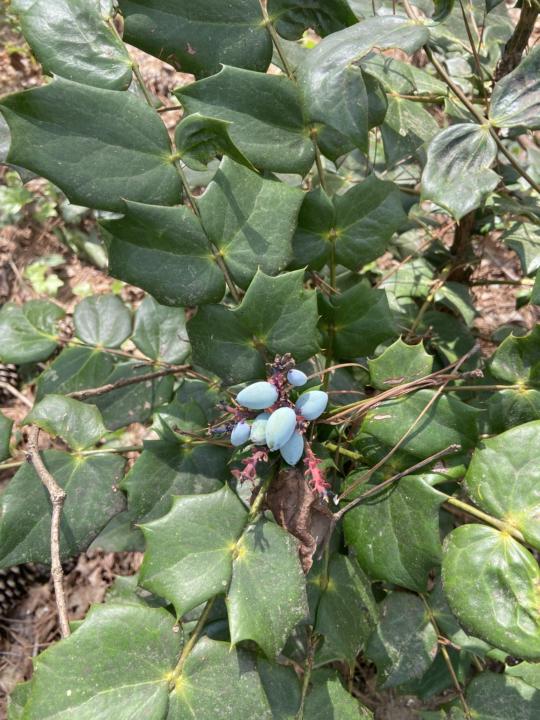
Edible berries?
I was out on a walk and my coworker noticed this plant. Are these berries edible?
2d •
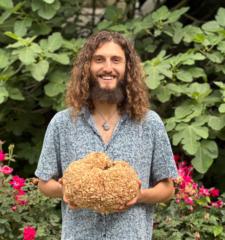
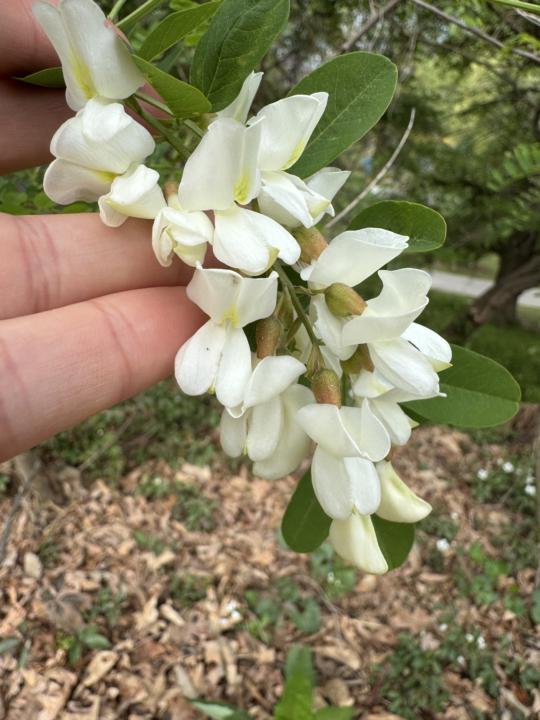
Black locust season - you've got to smell these
These Black locust or Robinia pseudoacacia are blooming in Atlanta right now. Best way to find them is in open fields, near roads, or bridges. They like rocky and recently cleared locations and it can be hard to reach the flowers. They have spikes on their bark. These smell amazing, and they taste amazing too. I put them in my water, banana ice cream, oatmeal and more. They're only ripe for a week or two max and then you'd have to go north to forage them. They're my favorite flower to forage without a doubt for aroma.
7d •
A fruit with omegas!
you probably been out on the trails lately and seen a shrub that looks like it’s flickering silver in the wind. That’s the Autumn Olive (Elaeagnus umbellata). Now, some folks call it a "stubborn invader" because it’s a pioneer species—it loves disturbed soil and spreads like wildfire—but as an ethnobotanist, I see a powerhouse of resilience and nutrition that literally feeds the earth it stands on. How to Spot It! Look for a large, spreading shrub (sometimes up to 20 feet!) with oval leaves. The giveaway is the underside of the leaf—it’s covered in tiny silvery scales that shimmer. The Flowers: In late spring (April–June), it puts out these small, cream-colored tubes that smell interesting! The Fruit: Right now, we’re looking at those beautiful, speckled red berries. They usually peak from late August through October. But they are coming out right now as well! These berries taste really good!... Kinda like tart pomegranate meets a sweet grape. These berries have way more lycopene than a tomato (up to 17 times more!). Autumn Olive is packed with Omega-3 and Omega-6 fatty acids. Eating the seeds along with the pulp gives you a direct boost for heart health and fighting inflammation. It’s nature’s own "multivitamin" hiding in the thicket. Medicinal value: Digestive and Bowel Support: In traditional Chinese and Japanese medicine, the leaves are specifically used to treat bowel disorders. Respiratory Relief: Decoctions of the leaves have been traditionally used to address coughs, asthma, and general respiratory discomfort. Poultices: Freshly crushed leaves are applied topically to minor wounds, cuts, and skin irritations to promote healing. Antiseptic: Leaf tea can be used as an oral antiseptic for gum infections or as a gargle for sore throats. Liver Protection: Modern research indicates that leaf extracts may have hepatoprotective effects, helping to protect the liver from toxicity and damage. Inflammation and Pain: Scientific analysis has identified compounds like gallic acid and kaempferol in the leaves, which are potent inhibitors of inflammation and may help manage associated pain.

3d •
What are y'all doing this weekend??
What are y'all doing this weekend?? I'm facilitating an indigenous sweat lodge ceremony this Sunday. Its $44 per person. We have a few seats left. Sorry for the late notice! Lmk if you're interested! On another note! There's so much blossoming right now! I can't wait for it to rain a little so we can get some morels poppin! I just seen some yellow root coming up next to a river yesterday! I'll post some pics and videos later!

1-30 of 31
powered by
skool.com/the-foragers-guild-6347
Helping nature lovers, students, and explorers learn how to identify, forage, and ethically harvest wild plants.
Suggested communities
Powered by