
Write something
Pinned

Dec '25 •
Hello there Auctioneer!
Hello to all of you aspiring and awesome auctioneers in the world! Here is your home to create and advance your bid call to new heights! Are you ready to rock! Steps to get started: 1. Watch Video Below 2. Introduce yourself to the community here: https://www.skool.com/auctioneering-101-to-pro-7112/welcomeauctioneers?p=dde49f0b 3. Like/Comment on 1 post You ready to get started? 😃 This is a community of like minded individuals looking to better your chant and auctioneer business, connect with other auctioneers and find #AuctioneerOpportunities. You are in the right place to grow and thrive! By belonging to this community, you are a part of a very special network. Here's a place to list Auctioneer Opportunities to refer business to or to reach out to Auctioneers looking for a referral. All you need to do is introduce yourself, share which markets you work, your affinity/ favorite types of Nonprofits you work for and either/both of your email address/phone number. Here is a chance to: Earn extra income Find more events Collaborate with other Professionals who want to refer business to you! I'll also be posting almost every day with new content to help you grow your chant, your business and your impact. This becomes a place for all of us to share our unique knowledge and perspectives on our business or for our clients. Please share your sizzle reels, client facing resources/videos, anything that you think could help all of us! Let me know if you have any questions or comments on what type of content you want to see here. Looking forward to sharing your auctioneer journey with you! Bobby D.
Poll
26 members have voted

Pinned
Dec '25 •
#WelcomeAuctioneers
Hello to all of our new community members!!! @Dusty Klink @Reem Danial @Debbie Scheer @Nicole Cowan @Mark Schustrin @Leiolani Soong @Aaron Klesick @A.k. Wood @Bobby Ehlert Would you take a moment and share what markets you work in, what affinity groups you align with and some special skills that go beyond auctioneering?
13d •
Weekly Auctioneer Drills #10
Hi Auctioneer Skoolers Here are your weekly Auctioneer Drills practicing 5s all the way to 100 and back Filler Phrase: I'm Bid or Imma Bid. This is a great phrase to set your tone for your chant as you get started with a number "I'm bid 5, now 10, bid 15 and now 20" Tongue Twister of the week: Baby bunnies bounce beside the bright blue blanket Keep practicing and progressing! You're doing awesome!

3d •
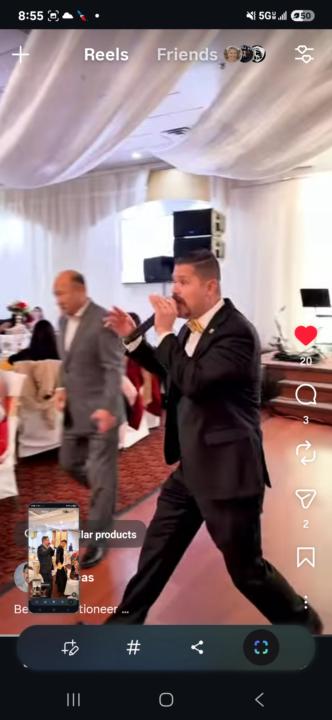
Great promo video!
Skool member @Beto Beas sharing some Auction magic!!! https://www.instagram.com/reel/DTcAxE2jyNs/?igsh=MzRlODBiNWFlZA==
4d •
The Auctioneer Sound of Silence
This is so important as we are building our Auctioneer Chant, is knowing when to be silent... Here is a description from the internet about silence in building rhythm in your performance. Super important tool to use as you are being the best Auctioneer you can be! Silence in music is a powerful tool used to create tension, structure, and dynamic contrast, functioning as an essential rhythmic element rather than mere absence of sound. By using rests, gaps between musical phrases, or sudden "drops" in production, composers and performers build anticipation, highlight melodic ideas, and provide breathing space for the listener. Key Uses of Silence in Rhythm and Composition: - Building Tension and Expectation: Unexpected pauses, such as the famous silence in Beethoven's “Pathetique Sonata”, create dramatic tension and increase the emotional impact of the following notes. - Creating Structural Phrasing: Silence (often indicated by rests) separates musical ideas, making phrases easier to understand and improving the structural organization of a piece. - Contrast and Emphasis: Dropping out instruments before a "drop" in electronic music, or resting during a solo, brings, highlighting the subsequent sound and making it feel more powerful. - Rhythmic Definition: Rests act as placeholders within a rhythm, defining when not to play. They allow notes to stand out with greater clarity and, for example, enable staccato notes to be more effective. - Intentional "Drops" in Production: Modern production often uses a sudden silence to stop the groove briefly, as famously done in Count Basie's recordings, allowing the rhythm to hit harder upon return. - Artistic Expression of Space: John Cage's piece "4'33”" is a famous exploration of silence, which actually highlights the ambient noise of the environment. Using silence allows for a "breathing space" for both musicians and listeners to process complex musical ideas, and it ensures that the music remains dynamic and engaging, rather than flat.

1-30 of 181

skool.com/auctioneerskool
First and only Auctioneer SKOOL to the learn art of auctioneering, build a lifestyle career, and progress from beginner to professional Auctioneer
Leaderboard (30-day)
1

+49
2

+36
3

+31
4

+25
5

+19
Powered by